Figure puts its F.03 humanoid on BMW's Spartanburg floor after a 24-fold production ramp and a first Brookfield-linked retail deal
Figure AI said on June 30, 2026 that its Figure 03 humanoid is now working in Hall 52 of BMW Group Plant Spartanburg, sequencing parts with its Helix 02 model. The move follows Figure's April 29 disclosure that its BotQ factory went from one robot a day to one an hour in under 120 days and had delivered more than 350 units, and a May 26 agreement with JCPenney owner Catalyst Brands.
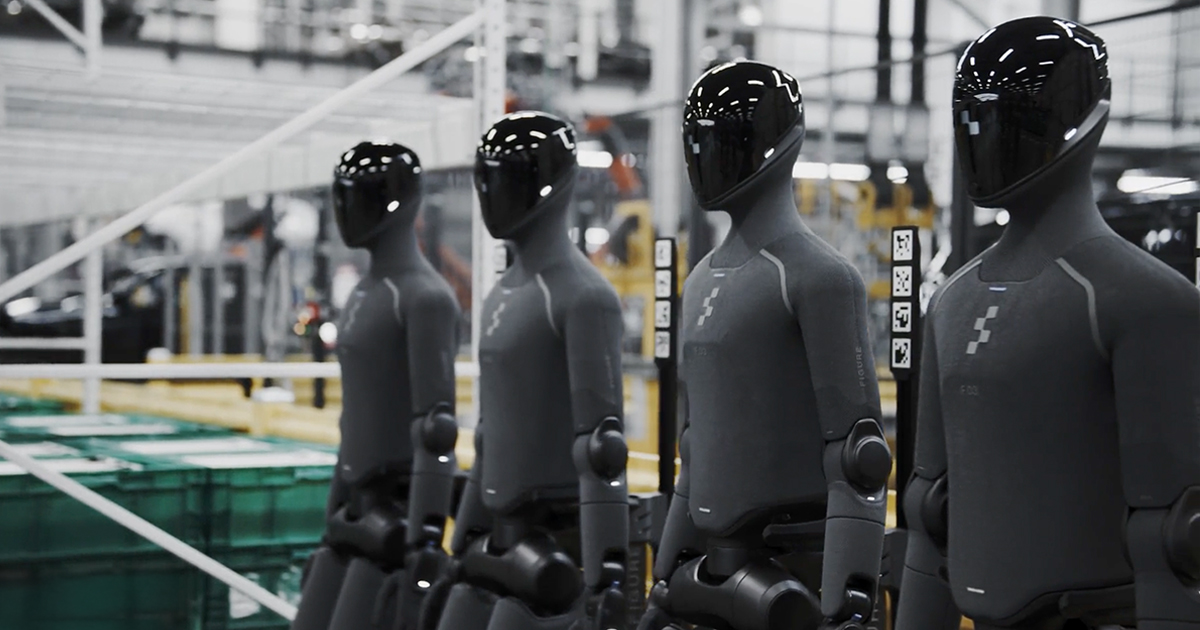
Figure AI ended the second quarter of 2026 with its newest humanoid inside a car plant. The Silicon Valley company said on June 30 that Figure 03 had arrived at BMW Group Plant Spartanburg in South Carolina, where it now works in Hall 52 on parts sequencing, the job of picking components that arrive in varying orientations and arranging them in the order an assembly line needs. Figure said the robot runs on Helix 02, its vision language action model, which coordinates hands, arms, torso and feet together.
The BMW deployment builds on an earlier pilot. Figure said its previous model, Figure 02, contributed to the assembly of 30,000 cars at BMW in the prior year. The company did not disclose how many Figure 03 units are at Spartanburg, cycle times or the commercial terms with BMW.
The robots come from BotQ, Figure's own high volume factory. In an April 29 update, Figure said it had raised production from one Figure 03 per day to one per hour, a 24-fold increase achieved in under 120 days, and had delivered more than 350 Figure 03 robots. BotQ has dedicated lines for all critical modules and more than 150 networked workstations controlled by in-house manufacturing execution software, according to the company.
- Production rate at start of ramp
- 1
- robots per day
- Production rate after ramp
- 24
- robots per day (1 per hour)
- Throughput increase
- 24
- times
- Ramp duration
- 120
- days (under)
- Figure 03 robots delivered
- 350
- units (more than)
- End of line first pass yield
- 80
- % (above)
- Battery line first pass yield
- 99.3
- %
- Battery packs shipped
- 500
- packs (more than)
- Actuators produced
- 9000
- units (more than)
- Networked workstations
- 150
- stations (more than)
- In-process inspection points
- 50
- points (more than)
- Functional tests per robot
- 80
- tests (more than)
All values from Figure's April 29, 2026 post 'Ramping Figure 03 Production'. Daily rate after ramp = 1 robot per hour x 24 hours, as stated by Figure. Lower bounds marked where Figure wrote 'over'. Figures disclosed, not estimated.
As of Oct 1, 2026
Figure also published quality data. End of line first pass yield was above 80% and improving weekly, it said. The battery line recorded a 99.3% first pass yield with more than 500 battery packs shipped. The factory had produced more than 9,000 actuators across more than 10 distinct designs, runs more than 50 in-process inspection points, and puts every robot through more than 80 functional verification tests before it leaves. Hundreds of suppliers have been qualified against incoming inspection criteria.
The April update described where the robots go. Units are allocated to internal research, data collection, housework development and commercial customers, and are deployed at Figure's headquarters, customer sites and homes. A custom fleet management system tracks health, location and status in real time, and over the air updates push software to the whole fleet at once. Figure also introduced System 0, a whole body control model conditioned on perception, which it said climbed stairs in the real world zero shot after training in simulation.
A second commercial channel opened on May 26. Figure signed an agreement with Catalyst Brands, the holding company behind JCPenney, Aéropostale and Brooks Brothers, to automate physically demanding tasks at Catalyst's distribution logistics centre in Reno, Nevada. Figure described the deal as the first commercial bridge between itself and a portfolio company of Brookfield, which has invested in both. Neither side disclosed the number of robots, duration or price.
Figure was valued at $39 billion after a $1 billion Series C announced in September 2025, by far the highest disclosed valuation among humanoid developers. Its rivals in automotive and logistics are moving on similar tracks. Apptronik has worked with Mercedes-Benz and raised a $520 million Series A extension in February 2026. Agility Robotics has deployed its Digit robot with logistics groups. Boston Dynamics is preparing its electric Atlas for Hyundai plants, and Tesla is building Optimus for its own factories.
The technology story is the link between manufacturing scale and model quality. Helix is trained on data from Figure's own fleet, so every robot built at BotQ and placed at BMW, Catalyst or a home adds training data. Figure said in April that fleet growth generates the data streams needed for the next generation of autonomy. Sequencing at BMW is a useful test because parts do not arrive in identical positions, which forces the robot to perceive and correct in real time rather than replay a fixed motion.
The open questions are commercial depth and unit economics. Figure has disclosed production capacity, yields and a delivered total of more than 350 robots, but not revenue, pricing or how many units are on paid customer work rather than internal data collection. An 80% end of line first pass yield also means one in five robots needs rework at the final stage, a level automotive suppliers would consider early in a ramp.
ROBOTNESS analysis
Figure has published factory throughput, yield and delivery numbers together, a level of manufacturing disclosure rare among humanoid makers, and the BMW move shows it intends to convert that capacity into paid industrial work rather than demonstrations.
The evidence is unusually concrete for the sector. A one robot per hour cycle, more than 350 deliveries, a 99.3% battery yield and 9,000 actuators are manufacturing disclosures that few rivals have matched in public. The BMW deployment moves from the Figure 02 pilot to a harder task with a newer robot, and the Catalyst deal adds logistics, giving Figure two industrial verticals by mid year.
The strongest counter argument is that capacity is not demand. Figure has not said how many robots earn revenue, and a holding company deal without disclosed volume or a BMW task without cycle time data could each involve only a handful of units. With an 80% final yield, scaling to thousands of robots will expose cost and reliability issues that small fleets hide.
Bull case. BMW expands Figure 03 across more halls and plants, Catalyst rolls the robots into other Brookfield portfolio companies, and the fleet data loop lifts Helix performance fast enough to justify the $39 billion valuation.
Bear case. Deployments stay in single digits per site, rework and service costs eat margins, and competitors with automaker parents such as Boston Dynamics and Tesla secure the large factory contracts first.
Signals to watch.
- Any Figure or BMW disclosure of unit counts or cycle times in Spartanburg during the second half of 2026.
- An update on BotQ first pass yield, which Figure said was above 80% and rising weekly as of April 29, 2026.
- Expansion of the Catalyst Brands deployment beyond Reno or a second Brookfield portfolio customer.
- Figure AI
- No data
- Series C
- 1000
- 39
- 2025-09-16
- Apptronik
- 2016
- Series A extension
- 520
- No data
- 2026-02-11
- Agility Robotics
- 2015
- Series B
- 150
- No data
- 2022-04-22
- 1X Technologies
- 2014
- Series B
- 100
- No data
- 2024-01-13
- Humanoid
- No data
- Series A
- 152
- 1.35
- 2026-07-21
Company or lead investor announcements. Figure's valuation is 28.9x Humanoid's (39 / 1.35). Null means not disclosed. Figures disclosed, not estimated.
As of Oct 1, 2026
- Parts sequencing with Helix 02
- Figure 03 in Hall 52, BMW Group Plant Spartanburg (announced June 30, 2026)
- Figure 02 contributed to assembly of 30,000 cars
- 1 robot per hour, up from 1 per day in under 120 days
- More than 9,000 across 10+ designs
- More than 350 (as of April 29, 2026)
- Reno, Nevada distribution centre (May 26, 2026)
- $39 billion post-money (Series C, September 2025)
- Above 80%
- 99.3%, more than 500 packs shipped
Why it matters
Humanoid companies have talked about factories for years; Figure is now publishing factory numbers. The April disclosure gives the first public benchmark for humanoid manufacturing at scale, with throughput, yields and component volumes, and the June BMW deployment connects that output to a named automotive customer.
For the industry this changes the debate from whether humanoids can be built in volume to whether customers will absorb that volume. Figure's next disclosures on paid deployments will set expectations for every rival raising money on a production story.
Rival analysis
Apptronik, backed by a $520 million Series A extension in February 2026, has pursued automotive work with Mercedes-Benz. Agility Robotics has focused on logistics with Digit. Boston Dynamics and Tesla benefit from parent companies that operate factories and can deploy their own robots, Hyundai Motor Group for Atlas and Tesla's plants for Optimus.
Figure lacks a captive parent factory, which is why external anchors such as BMW and Catalyst matter. Its advantage is capital: at $39 billion it carries the highest disclosed valuation in the group, which funds both BotQ and the compute behind Helix.
Valuation context
Figure's $39 billion post-money valuation from September 2025 is 28.9 times the $1.35 billion valuation Humanoid of London reached in July 2026. That premium rests on Figure being first to show industrial scale manufacturing plus a proprietary model.
Disclosed production of more than 350 robots means investors are paying for future volume, not current output. The valuation will be tested by whether BotQ's one per hour capacity is matched by paying orders within the next 12 to 18 months.
Supply-chain implications
Figure makes its own actuators, more than 9,000 across more than 10 designs by April, and runs its own battery line with a 99.3% first pass yield. That vertical integration reduces dependence on outside actuator suppliers, a bottleneck for many humanoid makers.
Figure said hundreds of suppliers have been qualified against incoming inspection criteria, but it does not name them, and it has not said which components, such as motors, bearings, gearing, sensors or compute modules, it buys from outside. Exposure to Asian component supply chains therefore remains an open question.
Signals to watch
Watch for unit counts at Spartanburg and any expansion to other BMW plants, updated BotQ yield figures and a cumulative delivery total beyond 350.
Also watch whether Catalyst Brands extends deployment beyond Reno, and whether Figure discloses revenue or pricing as it raises its next round.
Analyst view
Thesis: Figure has moved the humanoid race from prototypes to manufacturing disclosure, and the BMW and Catalyst deployments are the first tests of whether demand can keep up. Confidence: medium. The manufacturing figures are specific and company sourced, but there is still no revenue, pricing or paid fleet size.
Confidence would rise if Figure or BMW disclose double digit unit counts per site or revenue figures. It would fall if delivery totals stall or if BMW expands with another vendor.
Questions you should be asking
How many of the more than 350 delivered robots are on paid customer work? What is the unit cost at a one per hour rate, and how does rework at an 80% first pass yield affect it?
What are the cycle time and uptime of Figure 03 in BMW's Hall 52 compared with human workers? Does the Catalyst agreement include volume commitments or other Brookfield portfolio companies?